
When it comes to crypto storage, it is important that you take into consideration necessary security measures. Besides prioritizing the security aspect, there are a few other things to keep in mind while choosing a wallet. Convenience and crypto support should also be on the list. While choosing a crypto wallet, the biggest confusion arises when you have to choose between a hot wallet and a cold wallet.
So, to help you with that, we have listed the key differences between the two right here to help you in the decision-making process.
What is a hot wallet?
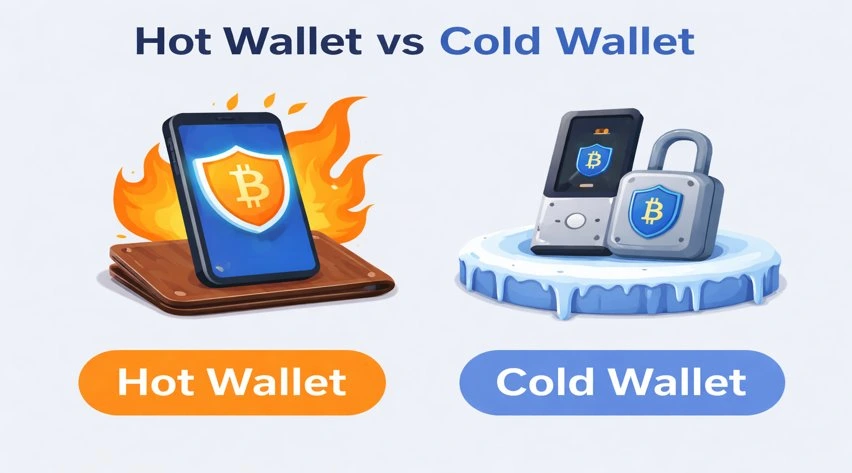
A hot cryptocurrency wallet is one that is connected to the internet and is usually present in a software or extension form. These wallets are usually free of cost and are very convenient to use. Moreover, some hot wallets come with built-in exchange features allowing you to send, receive, and access digital assets. These wallets are also available in the form of mobile apps and desktop wallets. If you are someone who is involved in frequent trading and want to initiate quick transactions, then this is the right wallet for you. However, this wallet is vulnerable to attacks and cyber threats.
What is a cold wallet?
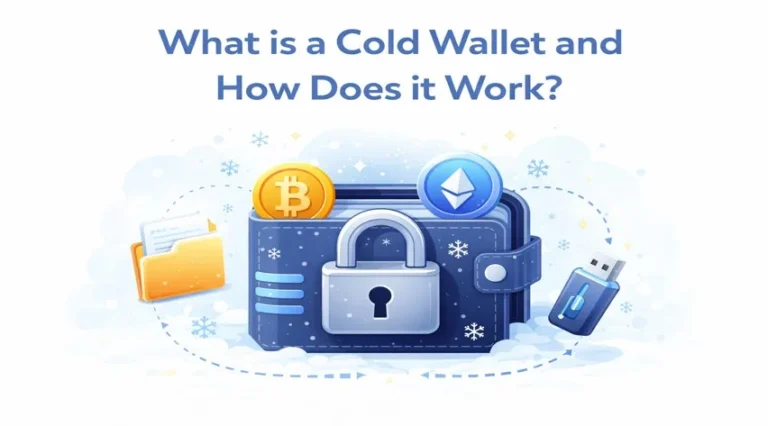
Call it a cold wallet or a cold storage, this is a crypto wallet that operates completely offline. With this security feature, this wallet keeps your crypto away from any kind of internet exposure. The best advantage of a cold wallet is that it is a hardware wallet or a paper wallet. This wallet is ideal for those users who are looking for a long-term storage option and have large holdings. Though it is extremely secure to use and is immune to online attacks, it may be less convenient and requires some additional steps for usage.
Key differences: Hot wallet vs Cold wallet
To helps you in the decision making process, we have come up with this table where you can learn the specifics of each wallet one by one. Though many traders consider going ahead with a cold wallet, a hot wallet may also be a convenient option for some:
| Feature | Hot Wallet | Cold Wallet |
| Internet connectivity | Always online | Offline |
| Security level | Moderate | Very high |
| Convenience | High | Low |
| Usage | Daily trading | Long-term storage |
| Risk | Higher hacking risk | Minimal risk |
Which is safer from the “Security” perspective?
Those who consider security as the top priority besides convenience, for them, a cold wallet is the clear choice. This is because they manage to keep your crypto completely offline, making them immune to hacking, phishing, and malware attacks.
On the other hand, hot wallets may be less secure than cold wallets. But this does not mean that these wallets are completely unsafe. By taking necessary precautions, you can enjoy a certain level of security. If you are choosing a hot wallet, don’t forget to enable features like biometric authentication, encryption, and 2FA.
Pro Tip: Smart investors choose both types of wallets. For instant or everyday crypto trading, they use a hot wallet. And, for storing a bulk of their assets, they may choose a cold wallet to ensure security.
Which wallet is best for you?
If you are still planning to go ahead with a single wallet and are not ready to use a combination of the two, then the choice of wallet depends completely on your specific trading goals. For an active trader, a hot wallet is a better choice. However, if you are someone who wishes to securely store your assets and is looking for long-term holding, then this wallet should be a great choice for you. This is the best option to enjoy peace of mind.
FAQs:
Are hot wallets free to use?
Most hot wallets are free, though some platforms may charge transaction fees.
Which wallet is better for beginners?
Hot wallets are better for beginners due to their simplicity and ease of use. Moreover, they are free to use.
What happens if I lose my cold wallet?
You can recover your funds using your backup seed phrase or the Secret Recovery Phrase, if you have it with you.
Which wallet is best for long-term investment?
Cold wallets are best for long-term crypto storage due to higher security.